Kizhi is the classical art of the warm bolus: botanicals, powders, rice or leaves tied into a cloth bundle, warmed, and pressed rhythmically over the body. The bundle is only half the technique. The other half is the medium it is dipped in, because a Kizhi cools with every stroke and returns constantly to a warm vessel to be refreshed. That vessel is where oils and Kuzhambu enter the story. This article explains the main bolus types, what each is dipped in, and where the semi-solid Kuzhambu earns its place in the sequence.
The bolus family in brief
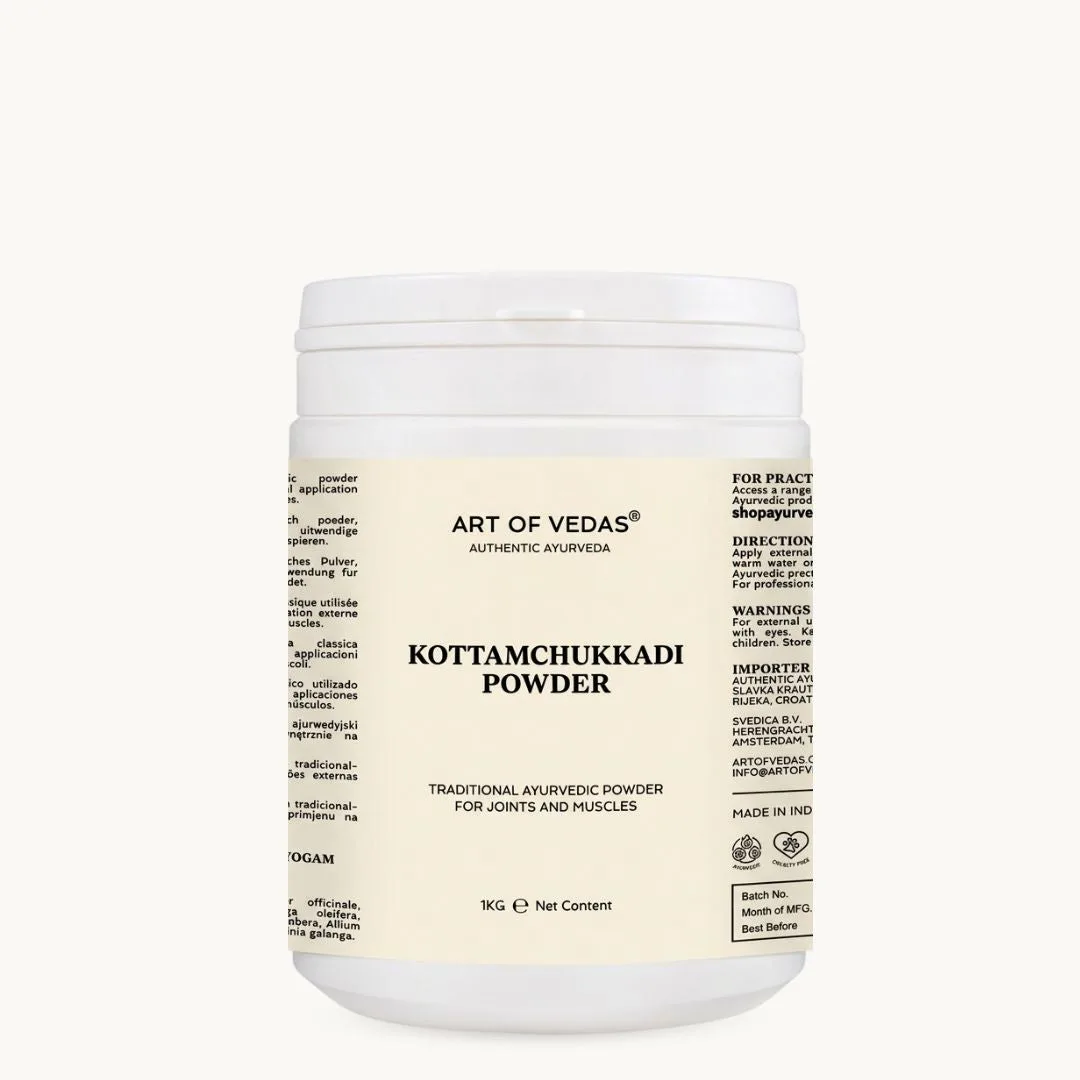
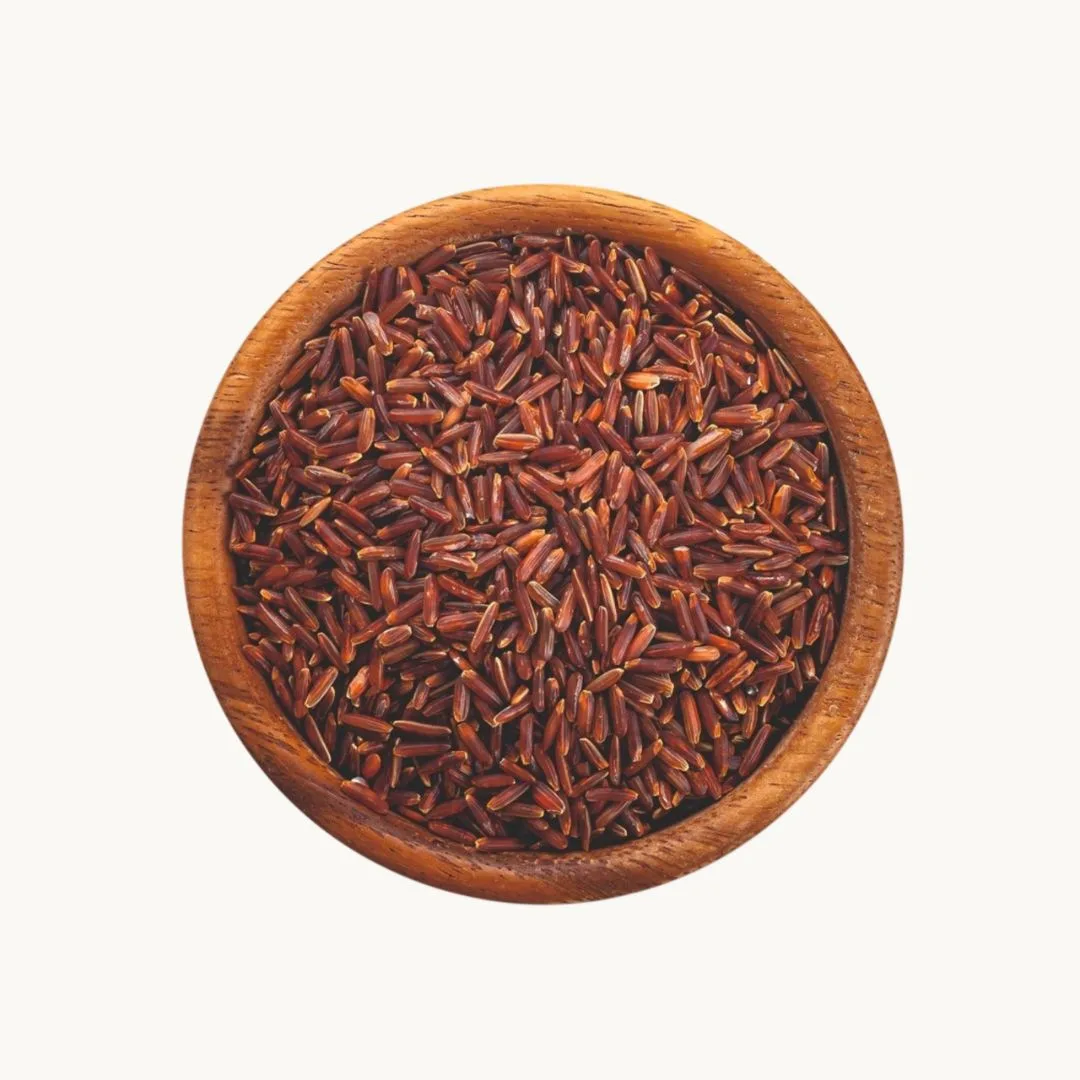
classical practice knows several Kizhi types, named for their filling. Podikizhi carries herbal powders; a warming blend such as Kottamchukkadi powder, with dried ginger among its principal botanicals, is a classical filling, and our guide to Kottamchukkadi powder, oil and Kizhi covers that trio in detail. Elakizhi is filled with fresh leaves. Njavarakizhi, the most celebrated, is filled with cooked Navara rice, the sixty-day Shashtika Shali of classical's fields; the rice itself, available as Navara rice, has its own remarkable story told in our Navara rice guide. Each bundle is tied firmly in cloth, warmed, tested on the therapist's wrist and worked over the body in rhythmic presses and strokes.
Why the medium matters as much as the bundle
A bolus is a delivery instrument, and the medium it drinks from decides much of the session:
- Heat retention: the medium carries warmth into the bundle and, through it, to the skin
- Even temperature: a water-bath vessel keeps every re-dip consistent from first stroke to last
- Texture on the skin: an oil medium leaves a flowing film, a richer medium a slower, denser one
- Continuity: two bundles alternating through one warm vessel keep the rhythm unbroken
- Character: the medium's own botanicals join the work of the filling
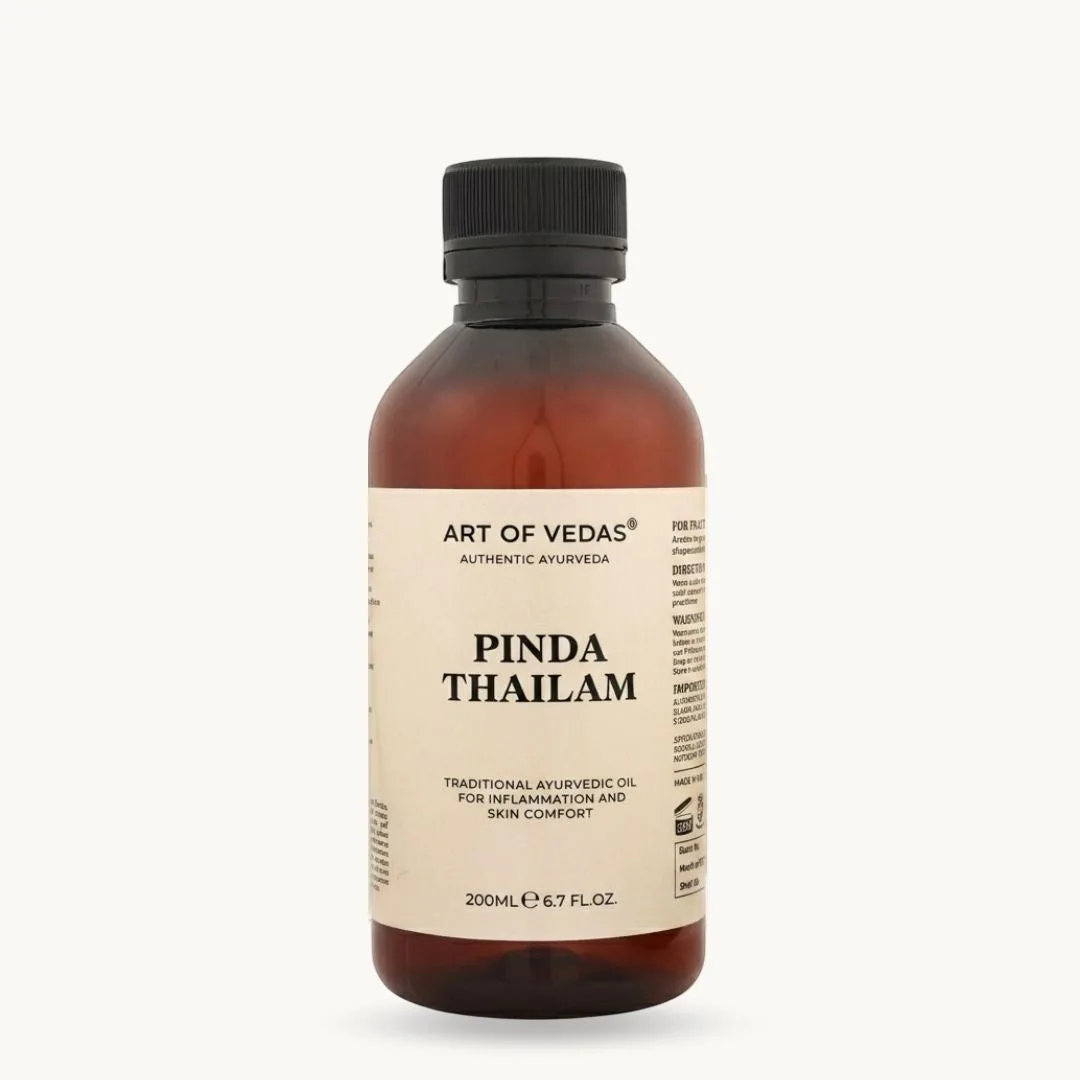
For powder and leaf boluses, warmed oil is the everyday medium. Njavarakizhi follows its own classical protocol, in which the rice boluses are refreshed in a warm liquid medium prepared for the session according to the traditional method; centres follow their own protocol lines here.
Where the Kuzhambu comes in
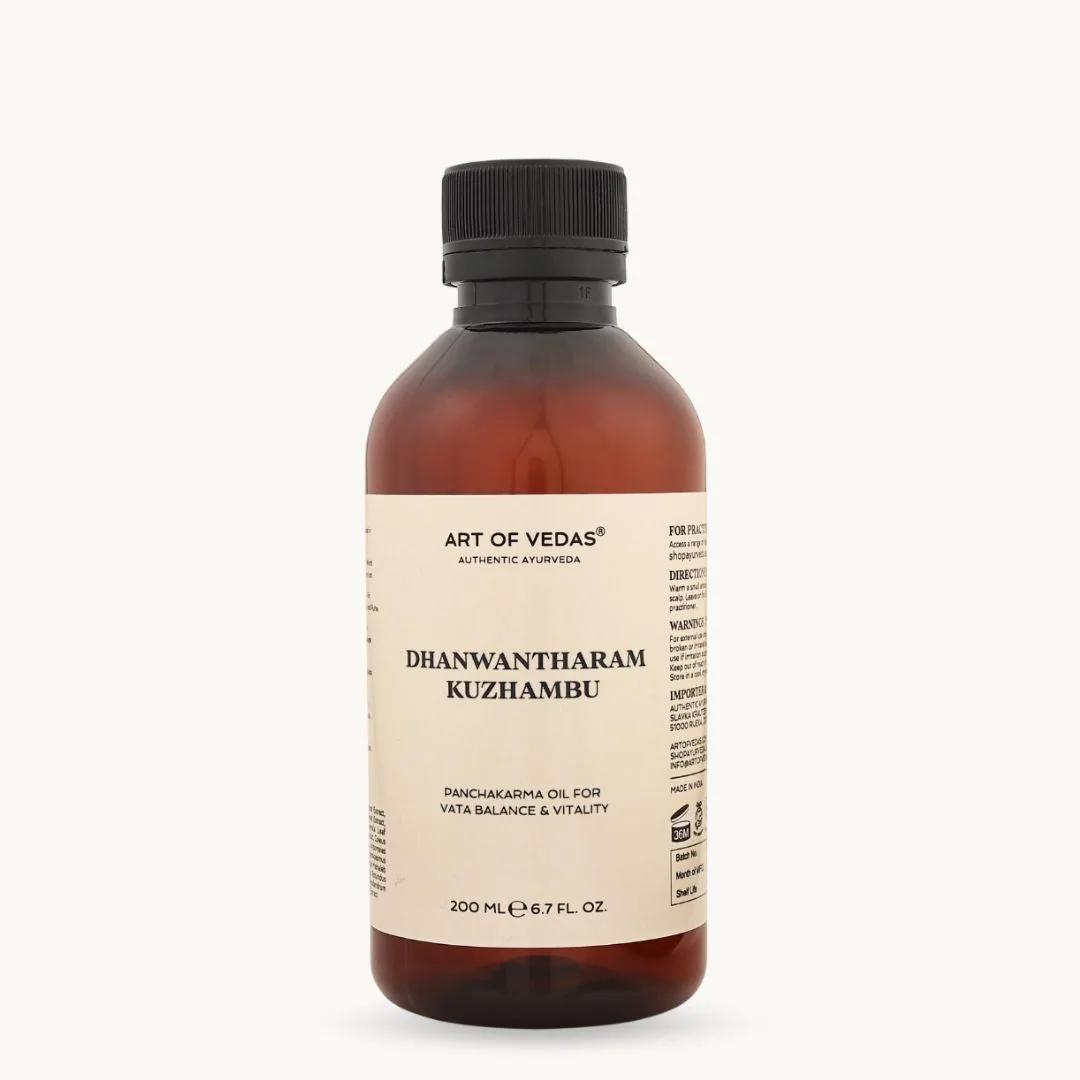
A Kuzhambu is the semi-solid member of the classical fat preparations: cooked on a three-fat base of sesame, coconut and castor with decoctions and fresh pastes until it sets soft and dense. It is not an oil, and it is not the vessel medium for the bolus itself. Its role sits directly beside the therapy. Before the Kizhi, a thin application of softened Dhanwantharam Kuzhambu, the semi-solid form of classical's most used household formula, prepares the working area with a layer that stays in place under the pressing bundle rather than running off the table. After the session, the same preparation serves the focused follow-up work on shoulders, lower back or knees while the guest rests, absorbing slowly exactly where it is placed. Centres that pair streaming and bolus therapies will recognise the same division of labour described in our professional guide to Pizhichil and Kuzhambu.
A practical sequence for the treatment room
Warm the medium vessel in a water bath and set two bundles to alternate. Test each refreshed bolus on the inner wrist. Work section by section with rhythmic presses and long strokes, returning the cooling bundle to the vessel as its partner takes over. Close the session with quiet local work using the softened Kuzhambu, then wipe down with warm towels and let the guest rest. Log batches, temperatures and timings; the tradition was always precise, and the treatment room should be too.
Frequently Asked Questions
Is the bolus dipped directly into Kuzhambu?
No. The dipping vessel holds a flowing warm medium. The semi-solid Kuzhambu serves before and after the bolus work, applied by hand to the skin.
What is inside a Njavarakizhi bundle?
Cooked Navara rice, the short-season Shashtika Shali grain, tied in cloth. Its softness and warmth retention are why the tradition prizes it.
Can Kizhi be practised at home?
A simple warm powder bundle can be used cautiously at home, but full Kizhi sequences belong with trained therapists who manage temperature and rhythm safely.
How warm should a bolus be?
Comfortably warm on the therapist's inner wrist before every application. Bundles are refreshed constantly precisely so the warmth stays within that comfortable range.
Which products cover a basic Kizhi setup?
A filling (Navara rice or Kottamchukkadi powder), cotton cloth for the bundles, a warm oil medium for dipping, and a Kuzhambu for the surrounding hand work.
This article describes traditional therapy practice for general information. It is not medical advice, makes no claims about therapeutic outcomes and does not replace professional training. Full Kizhi therapies should be performed by qualified therapists.